
Short-Term Rentals in Nigeria: Is Airbnb Still Profitable in 2026?
February 13, 2026
admin

For many Nigerian investors, short-term rentals have long represented an attractive avenue for real estate profits. Platforms like Airbnb introduced a new way to monetise property beyond traditional long-term leases, offering flexibility and higher income potential. Yet as 2026 unfolds, many investors are asking: is Airbnb still profitable in Nigeria, and how can property owners adapt to maximise returns in a changing market?
Having spent over fifteen years in the Nigerian real estate sector, advising investors, managing rental portfolios, and overseeing property flipping projects, I’ve witnessed the evolution of short-term rentals. What was once a niche investment is now a competitive market that demands strategy, local knowledge, and operational efficiency.
The Nigerian Short-Term Rental Market Today
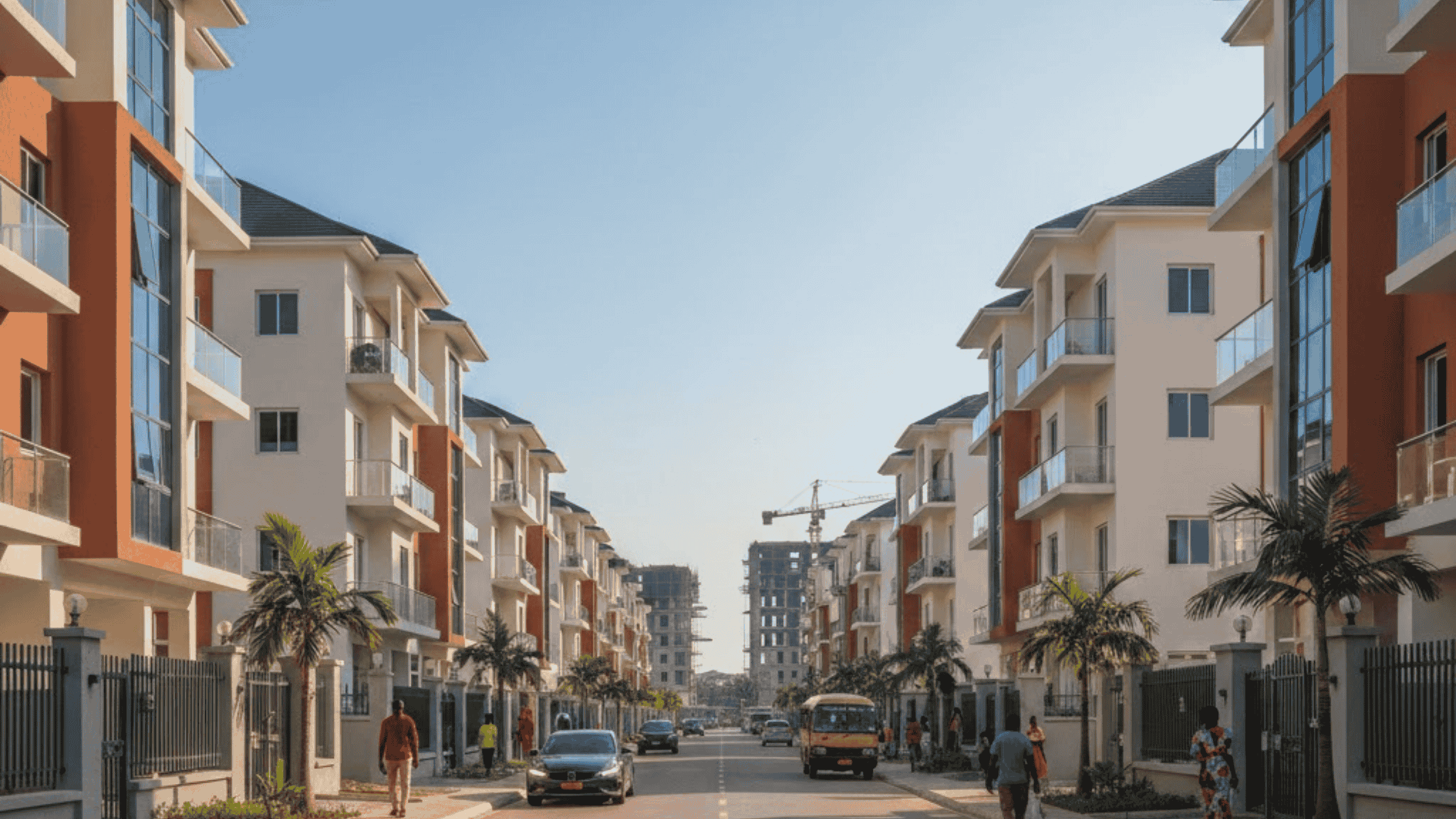
Nigeria’s urban centres, especially Lagos, Abuja, and Port Harcourt, continue to see strong demand for short-term rentals. Business travellers, expatriates, visiting professionals, and even local tourists increasingly prefer fully furnished, secure, and conveniently located apartments over hotels.
However, the market has matured. Unlike the early days when almost any furnished property could command high nightly rates, today’s short-term rental success depends on location, property quality, and consistent guest experience. Properties near business districts, airports, and popular cultural or entertainment hubs tend to perform best.
I recall an investor who purchased a three-bedroom apartment in a Lagos neighbourhood that was previously overlooked. By professionally furnishing the apartment and ensuring reliable internet and security, the property achieved an average occupancy rate of over 70% within six months. The lesson is clear: strategic location combined with service excellence remains key to profitability.

Costs, Returns, and Management Considerations
One of the biggest mistakes new investors make is underestimating the operational costs of short-term rentals. Cleaning, maintenance, security, utilities, and platform fees all eat into profit margins. Unlike long-term leases, income from Airbnb or similar platforms fluctuates seasonally and depends heavily on ratings and guest satisfaction.
Professional property management can make a significant difference. Many investors now partner with management companies or use cooperative models to handle guest communications, cleaning schedules, and property maintenance. This approach reduces risk and ensures a consistent guest experience, which is critical for maintaining high occupancy and positive reviews.
While the upfront investment may be higher than traditional rentals—especially when factoring in professional furnishing and amenities—carefully managed short-term rentals can still generate higher annual returns than long-term leases in prime Nigerian locations.
Regulatory and Market Challenges
Investors must also be aware of emerging regulatory considerations. Some states are introducing stricter guidelines for short-term rentals, including registration, tax compliance, and safety standards. Staying informed and compliant is essential to avoid penalties that can quickly erode profits.
Additionally, the market is becoming more competitive. The initial Airbnb “gold rush” phase is over, and properties that fail to deliver a superior experience struggle to attract bookings. Success now requires not just owning property, but actively managing it as a hospitality business.
Long-Term Viability and Strategic Recommendations
Short-term rentals in Nigeria are profitable for those who approach them strategically. Key recommendations for investors in 2026 include: prioritising locations with strong demand, investing in professional furnishings and reliable utilities, maintaining high standards of cleanliness and security, and using property management solutions to streamline operations.
It’s also wise to balance a portfolio with both short-term and long-term rental properties. This hybrid approach mitigates the risk of seasonal fluctuations and regulatory changes, ensuring stable cash flow while still capturing the higher returns from short-term stays.
Platforms like Airbnb remain a viable and profitable channel for Nigerian real estate investors—but only for those who treat their properties as businesses and make data-driven decisions about location, amenities, and operations. Investors who ignore market realities or underestimate operational requirements risk disappointment, while those who adopt strategic, professional approaches can continue to benefit from this lucrative segment.