
Red Flags to Look for When Home Inspecting
October 6, 2025
admin
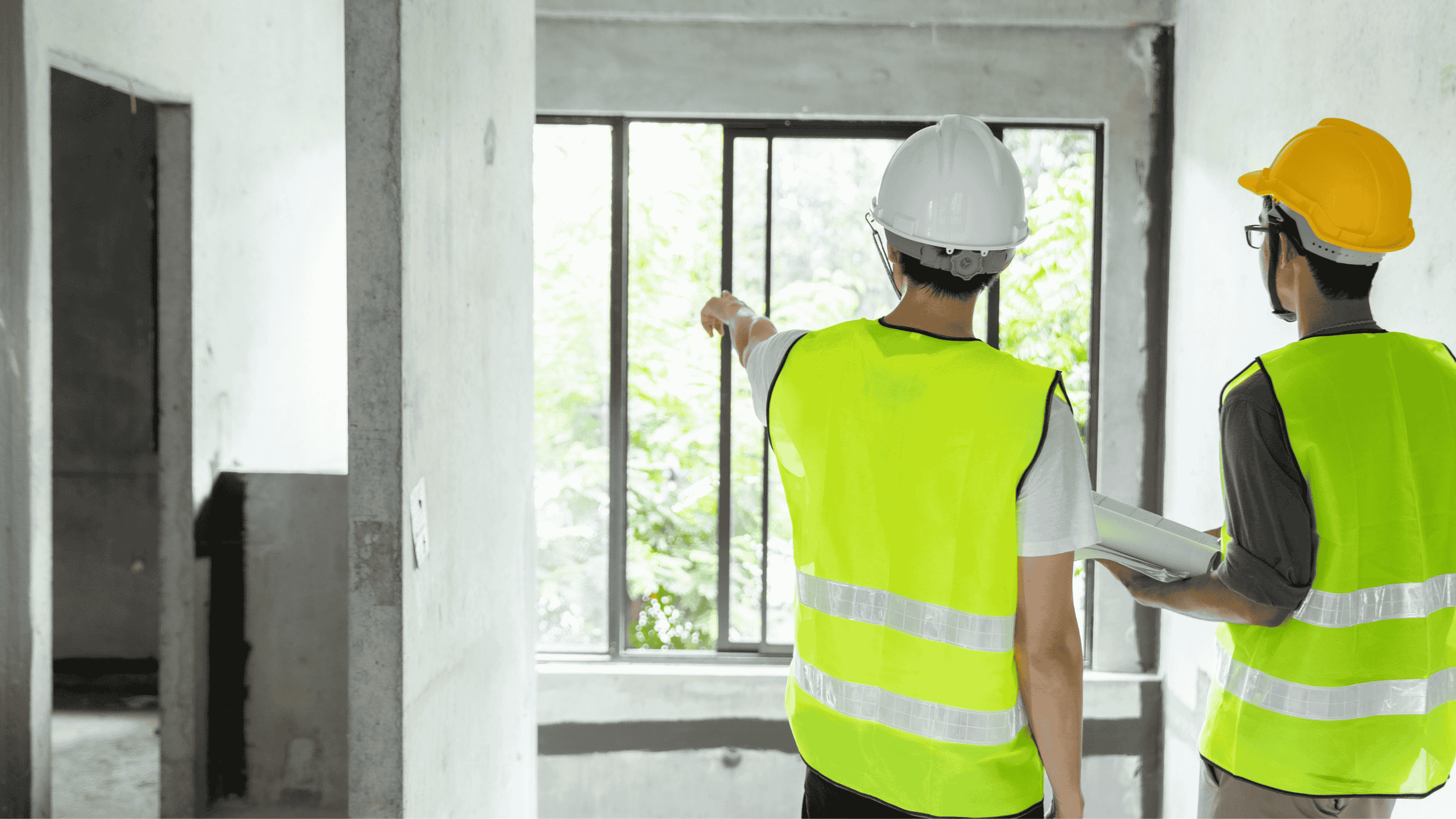
Buying a house is exciting, but it can also be dangerous if you don’t watch for the signs that all is not well. A home inspection gives you the chance to find hidden issues before you invest in the property. While technical details will be addressed by inspectors, knowing what to look for easy to identify helps you to ask the right questions and decide whether you should move forward, re-negotiate, or walk away.
Foundation Cracks and Structural Issues
Cracks in homes are typical, but not all cracks are benign. Horizontal cracks in foundation walls or stair-step cracks in block or brick walls may be indicative of larger structural problems. When you notice wider-than-a-pencil crack, uneven floors, or doors and windows that begin to stick suddenly, those are indicators that the foundation may be moving.
Don’t jump to conclusions just yet; check if the cracks look new or if they’ve been patched previously. Re-occurring cracks are usually a sign that the problem wasn’t addressed properly and may keep getting worse. The price of foundation repair can be exorbitant, so this is not something to skip.


Water Damage and Moisture Trouble
Water is one of the fastest ways of destroying a home value. Inspect ceilings, walls, and corners thoroughly for stains or discolorations. Drippy paint or peeling wallpaper also suggest that there must be a leak somewhere.
Don’t forget to check the bathrooms, kitchen, and behind sinks for damp spots or the smell that indicates mold. If you can, check the crawl space or attic, any sign of water, dripping pipes, or light streaming through roof boards is a sure red flag. Moisture is responsible for rotting, weak walls, and sometimes, health issues due to mold.
Roof and Drainage Problems
Replacement of the roof is one of the biggest expenses home owners may have, so inspect it thoroughly. Missing shingles, sagging sections, or corroded roofing sheets (for metal roofs) are signs the roof is failing.
The gutters and downspout have to drain rainwater from the home, not toward it. Water on the walls or around the foundation can mean poor drainage. Sunlight entering through small holes in the attic or water stains means the roof has to be repaired.
Roofs usually have a lifespan of 20 to 30 years, hence if the property’s roof is older than that, then replacement is unavoidable even though it looks fine now.
When you see a house, don’t rush. Take a read on things, listen to your instincts, and be realistic about what you can handle. A house might be a bargain at the start, but as red flags pile up, things like foundation issues, leaks, a failing roof; it can become a money pit in no time.
Sometimes the smartest thing to do is not fix up a problem house; it’s to walk away and wait for something better to come along.