
How Infrastructure Projects Drive Property Prices in Nigeria (Investor Guide 2026)
January 26, 2026
admin
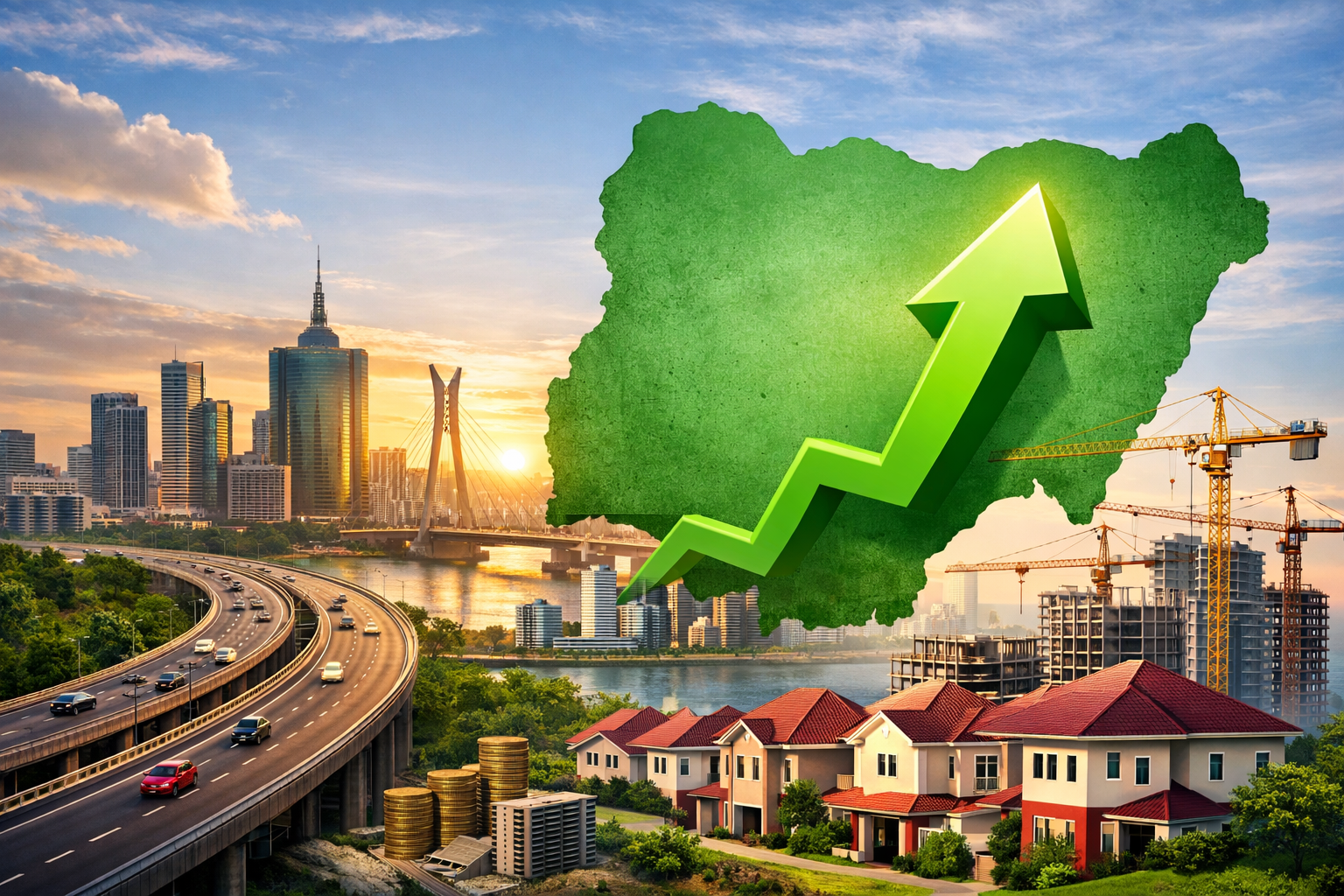
Introduction – Why Infrastructure Matters in Real Estate
Infrastructure development plays a crucial role in shaping real estate markets, especially in rapidly growing countries like Nigeria. Projects such as highways, rail systems, ports, and bridges improve connectivity, stimulate economic activity, and make new areas attractive for residential and commercial development.
When major infrastructure projects are introduced, property prices in nearby locations often rise quickly. Improved accessibility allows businesses to expand, workers to commute more easily, and new communities to develop.
For investors, paying attention to infrastructure development can help identify emerging property hotspots before prices rise significantly. Many successful investors purchase land or property in areas where infrastructure projects are planned or under construction.
What Is Infrastructure Development?
Infrastructure development refers to the construction and improvement of essential facilities that support economic growth and daily life.
These projects create the foundation for transportation, commerce, and urban development. As infrastructure improves, it often leads to increased demand for housing, retail spaces, and commercial properties.
Types of Infrastructure That Affect Property Prices
Transportation Infrastructure
Roads, highways, bridges, railways, and airports make it easier for people and goods to move between locations. Areas connected to strong transportation networks usually experience higher demand for property.
Economic Infrastructure
Ports, industrial parks, and free trade zones attract businesses and investors. As industries develop in these locations, job opportunities increase and demand for housing rises.
Social Infrastructure
Facilities such as schools, hospitals, and reliable utilities improve quality of life and make neighborhoods more desirable, which can raise property values.
How Infrastructure Increases Property Prices
Infrastructure affects real estate markets in several important ways.
Improved Accessibility
New roads, rail lines, and bridges reduce travel time and make certain areas easier to reach. When commuting becomes easier, people are more willing to live in areas that were previously considered too far from city centers.
This increased demand for housing often leads to rising land and property prices.


Economic Growth and Job Creation
Infrastructure projects frequently attract businesses and industries. When companies establish operations near ports, logistics hubs, or industrial zones, they create employment opportunities.
Workers moving into these areas need housing, while businesses require office and retail spaces. This increased demand drives real estate development and higher property prices.
Urban Expansion
As cities grow, infrastructure projects help expand development into new areas. New highways or transport systems allow developers to build residential estates, shopping centers, and commercial facilities in previously undeveloped locations.
These new growth corridors often become profitable real estate investment zones.
Major Infrastructure Projects Driving Property Prices in Nigeria
Several major infrastructure developments are shaping Nigeria’s real estate market today.
Lagos–Calabar Coastal Highway
The Lagos–Calabar Coastal Highway is one of the most significant road projects in Nigeria. The highway will connect Lagos to multiple coastal states, improving transportation and trade.
Areas located along the highway corridor, including Ibeju-Lekki and Epe, are already attracting interest from investors expecting long-term growth.
Lekki Industrial Corridor
The Lekki corridor has become one of the most active real estate investment zones in Nigeria.
Major developments such as the Lekki Deep Sea Port, the Dangote Refinery, and the Lekki Free Trade Zone are transforming the region into an industrial and logistics hub.
As commercial activity increases, property demand in nearby communities continues to rise.
Urban Rail Projects
Rail transportation systems being developed in Lagos aim to reduce traffic congestion and improve commuting across the city.
Neighborhoods located near rail stations typically experience higher property demand because residents benefit from faster transportation options.
Cities WhereInfrastructure Is Boosting Property Prices
Lagos
Lagos remains Nigeria’s most active real estate market. Infrastructure projects such as highways, rail lines, and industrial developments are driving property demand in areas like Lekki, Ajah, and Ibeju-Lekki.
Abuja
Abuja continues to expand rapidly due to population growth and improved road networks. The city offers attractive opportunities for investors looking for long-term property appreciation.
Investment Strategies for Real Estate Buyers
Investors looking to benefit from infrastructure-driven property growth should consider a few key strategies.
Invest Early
Property prices often rise significantly once infrastructure projects are completed. Buying property early allows investors to benefit from appreciation as development progresses.
Focus on Emerging Locations
Areas located near highways, rail stations, ports, and industrial zones are more likely to experience strong real estate growth.
Work With Trusted Real Estate Professionals
Working with experienced real estate companies can help investors identify legitimate opportunities and avoid potential risks.
To explore real estate investment opportunities in Nigeria, visit https://prymepointrealestate.com/ for expert guidance and available property listings.
Conclusion – Infrastructure Drives Real Estate Growth
Infrastructure development is one of the most powerful drivers of property prices in Nigeria. Projects such as highways, ports, rail systems, and industrial zones improve accessibility, stimulate economic growth, and attract businesses and residents.
For investors, identifying infrastructure projects early and purchasing property in developing areas can lead to significant long-term returns.
By monitoring infrastructure trends and investing strategically, individuals can take advantage of Nigeria’s rapidly expanding real estate market.