
Dry Season Construction in Nigeria: What Buyers Should Know
January 5, 2026
admin
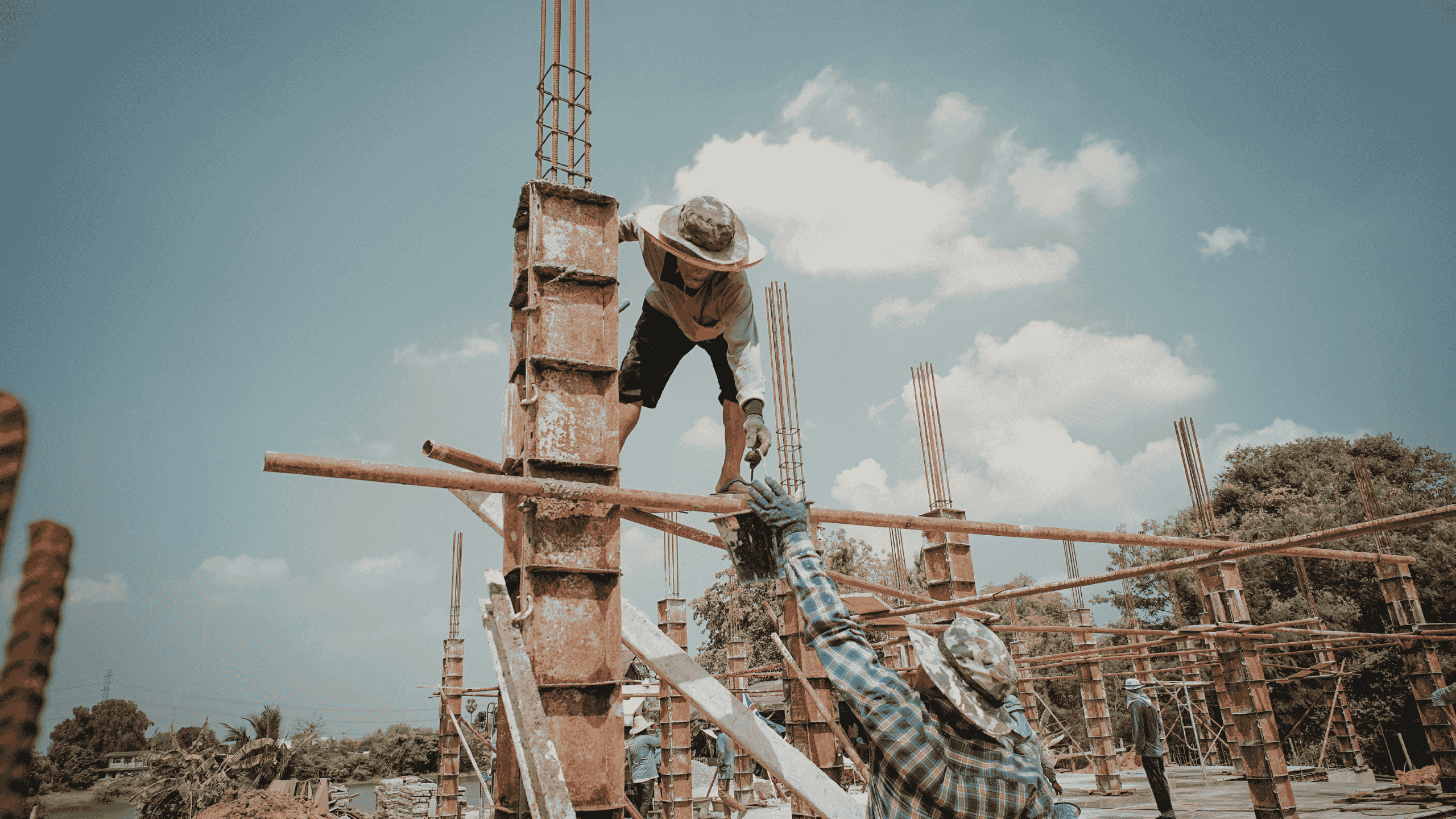
For many Nigerians, the dry season signals opportunity in real estate. Roads are passable, blocks dry faster, and construction sites suddenly feel alive again after months of rain-induced delays. Buyers often assume that starting or buying into a project during the dry season automatically guarantees speed and quality. After more than a decade working across property development, acquisition, and advisory, I can say this with certainty: the dry season creates advantages, but it also exposes buyers who do not know what to look for.
Understanding how construction truly behaves during Nigeria’s dry months can help you make smarter buying decisions and avoid expensive disappointments.
Why the Dry Season Accelerates Construction
The dry season, typically spanning late October through early April, offers conditions that naturally support faster building. Excavation is easier, foundations are less likely to flood, and materials such as blocks, concrete, and plaster cure more predictably. For developers, this translates into tighter timelines and fewer weather-related stoppages. For buyers, it often means seeing visible progress on site, which builds confidence.

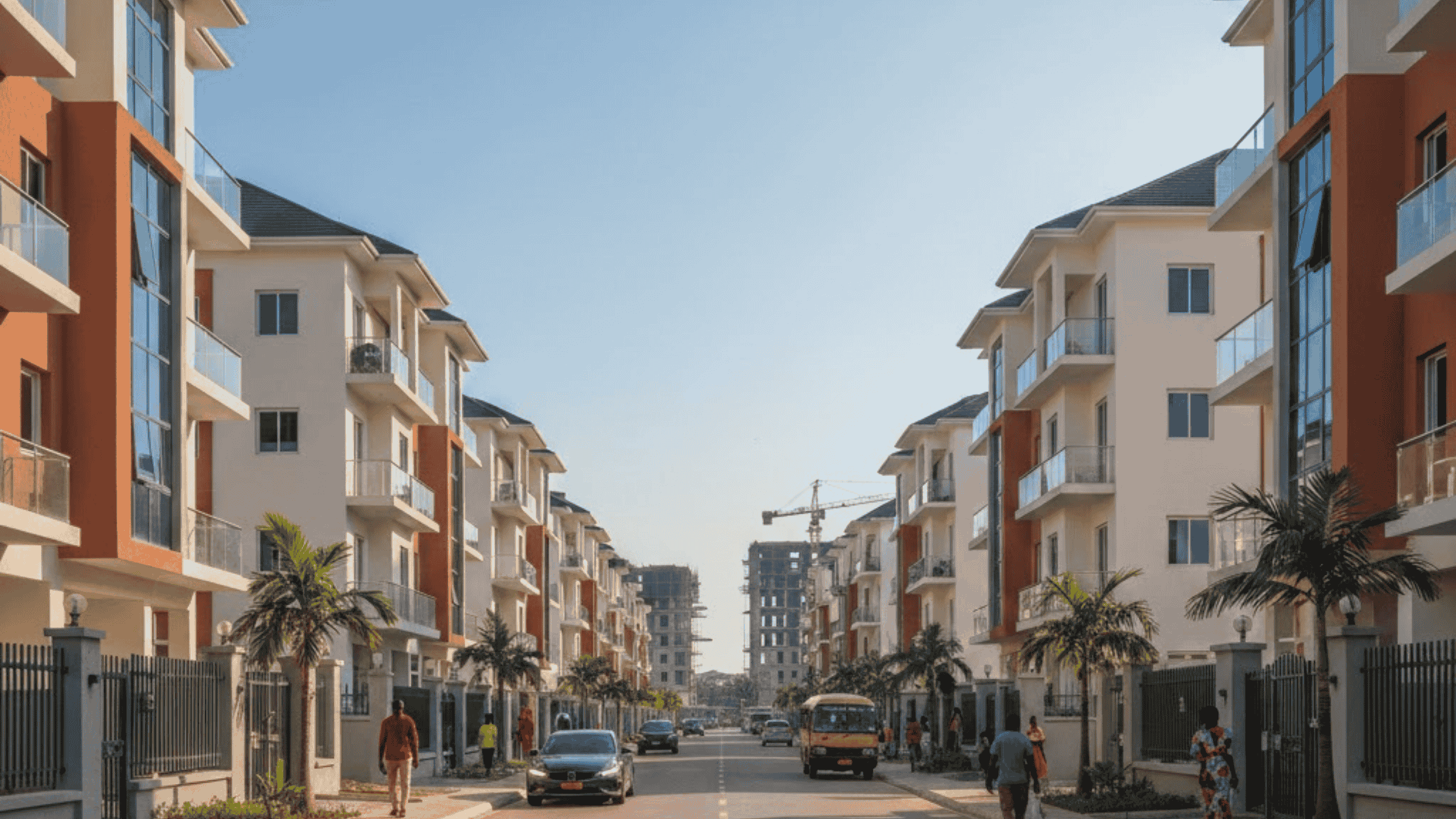
I once worked with a buyer who was impressed by the speed of a project launched in November. Walls went up quickly, roofing followed, and within weeks the structure looked “almost done.” What saved that buyer from future issues was not the pace, but proper inspection. Speed without supervision can hide shortcuts, and dry-season momentum sometimes tempts contractors to rush critical stages. The lesson was clear: faster construction is only an advantage when quality controls are in place.
Quality Risks Buyers Must Watch For
Dry weather reduces certain risks, but it introduces others. One common issue is inadequate curing of concrete. Because water evaporates faster in dry conditions, foundations and slabs require deliberate curing to maintain strength. Buyers who assume dry weather equals better quality often overlook this detail, only to face cracks months later.
Another risk lies in soil preparation. Dry ground can appear stable while masking underlying issues that only proper testing reveals. I have seen buyers commit to properties during peak dry season, only to discover later that foundation depth was compromised to save time and cost. These are not problems you see during site visits unless you know what questions to ask or have professionals inspecting on your behalf.
This is why due diligence during construction matters just as much as title verification. At Pryme Point Real Estate, we routinely advise buyers to combine legal checks with physical inspections, ensuring that dry-season speed does not come at the expense of long-term integrity.
Pricing, Negotiation, and Timing Advantages
The dry season is also when competition intensifies. Developers prefer to sell during this period because progress is visible, and buyers feel more confident committing funds. This demand can push prices upward, especially in high-growth locations. However, informed buyers can still negotiate effectively by understanding project timelines and cash-flow pressures.
I recall a client who secured a favourable price on a nearly completed unit simply by timing their purchase before a developer entered the peak marketing phase. Construction was advancing, but finishing costs still loomed. By understanding the developer’s position, the buyer locked in value without waiting for final pricing adjustments that often come closer to handover.
For buyers, the key is timing your entry point. Buying too early without safeguards exposes you to execution risk, while buying too late often means paying a premium. The sweet spot lies in verified progress backed by proper documentation and realistic completion schedules.
How Smart Buyers Protect Their Investment
Dry season construction rewards buyers who stay involved. Regular site visits, progress reports, and professional oversight help ensure that what you see today will still perform years from now. It is also important to confirm that approvals, surveys, and building plans align with what is being constructed on site. A beautifully rising structure without proper documentation remains a risk, regardless of season.
As Nigeria’s real estate market matures, buyers are becoming more discerning. They are asking better questions, demanding transparency, and recognising that speed alone is not value. The dry season offers opportunity, but only to those who balance optimism with verification.
The takeaway is simple: dry season construction can work strongly in your favour, but only when paired with informed oversight. Buyers who understand the realities behind the speed protect their money, secure better value, and build confidence in their real estate decisions.