
How Infrastructure Projects Impact Property Prices in Nigeria
February 20, 2026
admin
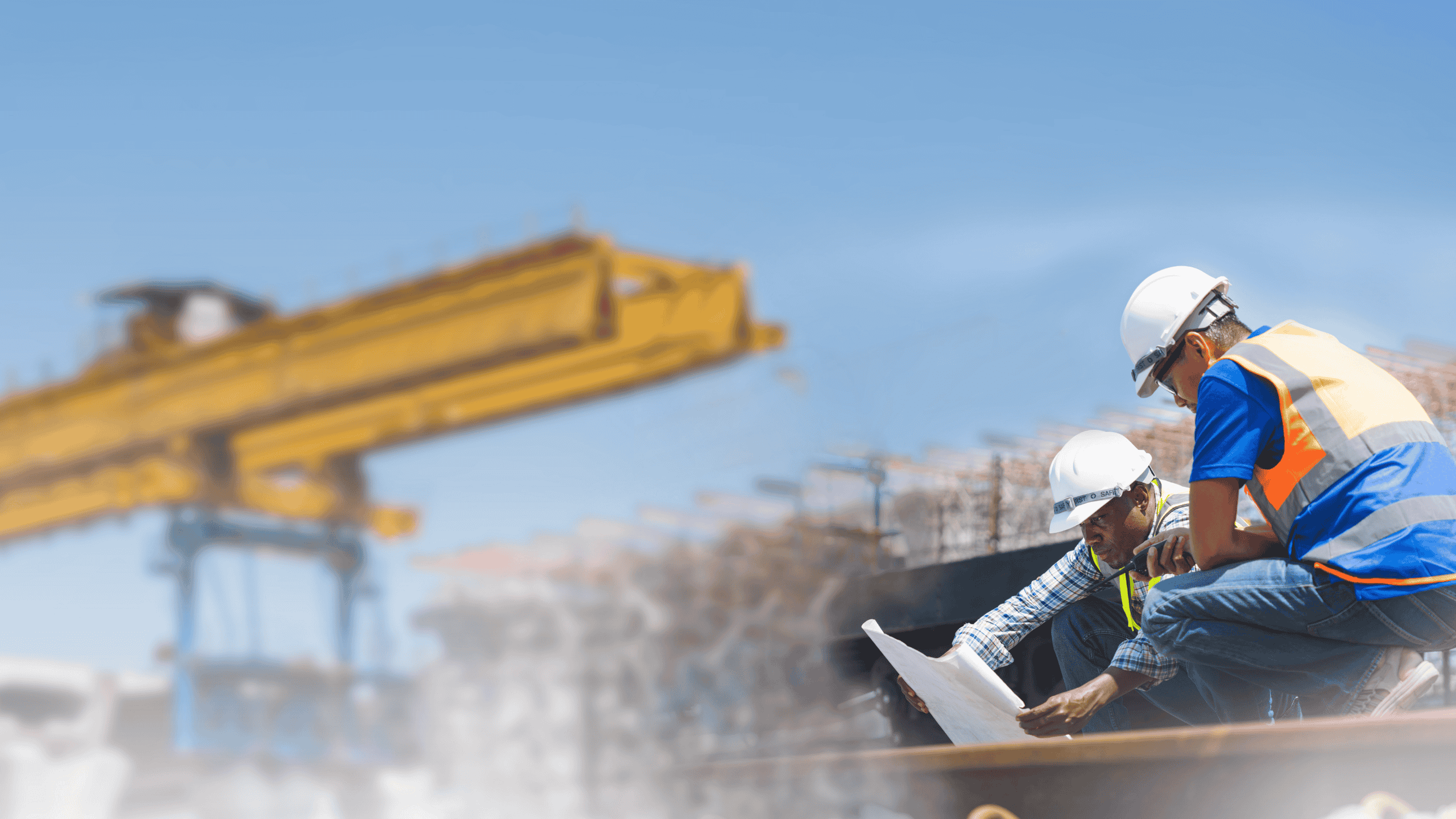
In Nigeria, talk of new roads, bridges, and metro lines often sparks immediate excitement among property investors—and for good reason. Infrastructure projects don’t just change the landscape; they directly influence property values, neighborhood desirability, and long-term investment potential. After fifteen years working closely with homeowners, investors, and developers across Nigeria, I’ve seen firsthand how well-timed infrastructure developments can transform underdeveloped areas into highly sought-after property hubs.
For many Nigerians, the idea of investing in property can feel daunting. Land costs, regulatory hurdles, and fluctuating market prices create uncertainty. But infrastructure provides a clearer signal: areas benefiting from new projects tend to experience increased demand, improved accessibility, and faster property appreciation. Understanding these dynamics is crucial for anyone aiming to make a strategic real estate investment.
The Direct Effect of Roads, Bridges, and Transport Networks
The most immediate impact of infrastructure projects is improved connectivity. A good road network, functional bridges, or a new railway line drastically reduces travel time between residential areas and commercial centres. In practical terms, this convenience increases demand for nearby properties.
I remember advising a client interested in land near the Lekki Free Trade Zone. At the time, the area was largely undervalued because access roads were limited. When major road expansions and bridge projects were announced, the property prices in the surrounding communities surged almost immediately. Investors who acted early saw appreciation rates that doubled in less than two years.
Accessibility also makes areas attractive to middle-class families and young professionals who prioritize shorter commutes. Developers recognize this demand and often initiate new residential projects in anticipation, creating a self-reinforcing cycle of development and price increases.

Long-Term Effects on Residential and Commercial Property
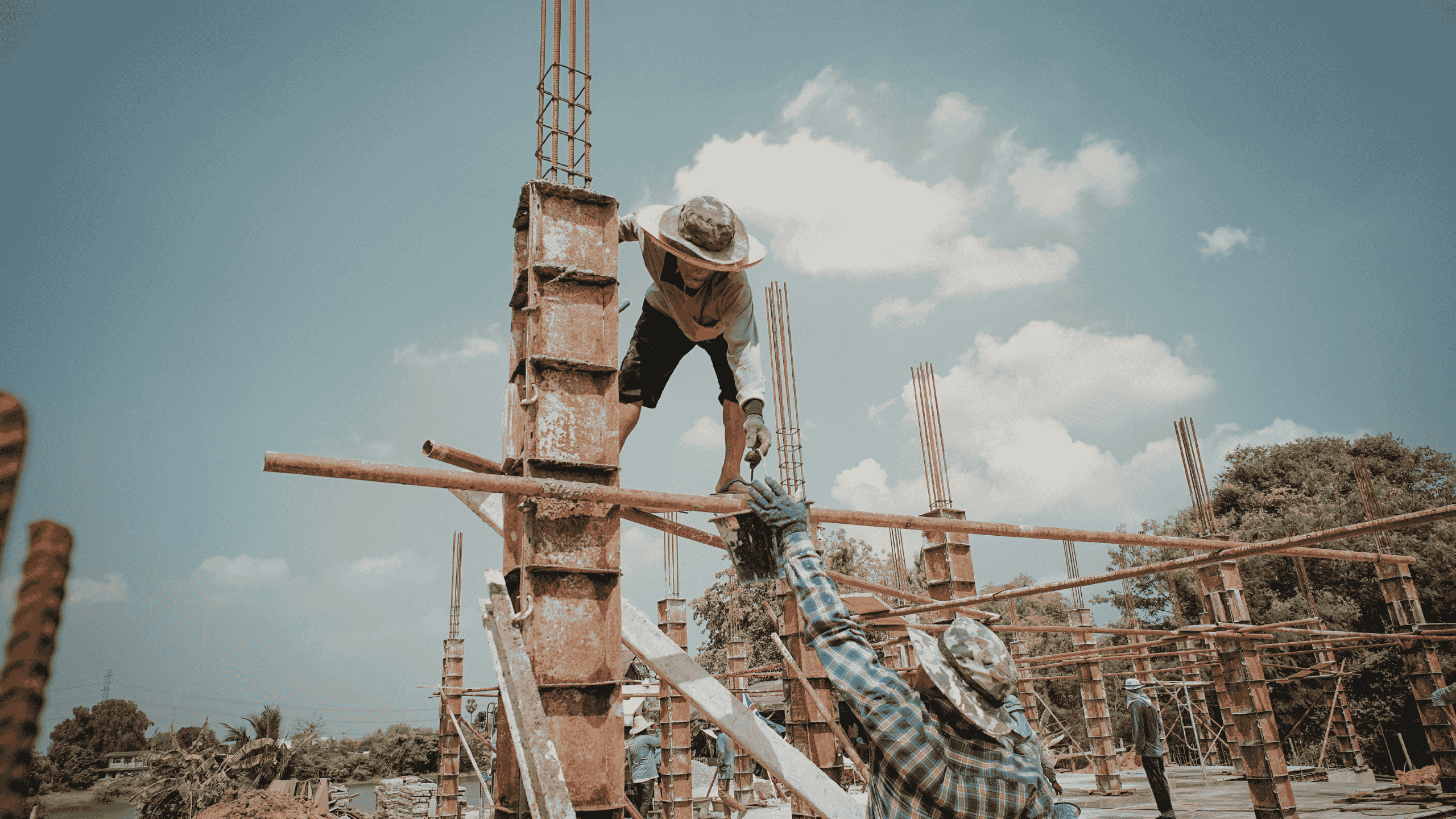
Infrastructure doesn’t only affect residential properties. Commercial properties—offices, shopping centres, and retail hubs—tend to benefit even more because improved infrastructure drives foot traffic, customer access, and business growth. As commercial activity grows, residential demand follows. Families and professionals naturally want to live closer to employment opportunities, entertainment hubs, and quality schools.
Areas surrounding major infrastructure projects often experience broader economic growth. Local businesses emerge, services improve, and previously underdeveloped neighborhoods gain prominence. Over time, this shift drives sustained property value appreciation rather than short-term spikes, which is why experienced investors pay close attention to government plans and project timelines.
How Smart Investors Leverage Infrastructure for Strategic Gains
Investors who understand infrastructure dynamics take a proactive approach. They track government announcements, study urban planning maps, and assess the long-term impact of projects before purchasing property. Acting early—before projects are completed or widely publicized—offers one of the most reliable opportunities for profit in Nigerian real estate.
Partnering with trusted real estate professionals can make this process smoother. At Pryme Point Real Estate, we assist clients by identifying properties poised for appreciation due to infrastructure developments. We combine property sourcing with legal due diligence, ensuring investors not only choose locations with potential but also secure assets free of disputes. One client leveraged this approach to acquire multiple plots along a soon-to-be upgraded corridor. Today, those properties are already generating strong interest for resale and rental.
Planning for Generational Wealth Through Infrastructure-Aware Investments
Infrastructure projects are not just short-term catalysts; they shape long-term urban development and property trends. For Nigerian investors, understanding which areas will benefit from upcoming projects is essential for creating a real estate portfolio that grows in value over time.
The key takeaway is clear: successful property investment in Nigeria is about more than buying land or buildings. It’s about identifying emerging opportunities, aligning purchases with infrastructure developments, and protecting investments through professional guidance. Those who combine strategic timing, legal diligence, and an awareness of development trends often achieve not only wealth accumulation but also the ability to create lasting generational value.