

Industrial & Warehouse Property in Nigeria: The Quiet Growth Sector
March 9, 2026
admin

For years, when Nigerians talked about real estate investment, the conversation usually revolved around residential houses or plots of land. Duplexes in Lagos, rental apartments in Abuja, and land banking on city outskirts dominated investor discussions. Yet behind the scenes, another segment of the market has been growing steadily, often unnoticed by everyday investors. That sector is industrial and warehouse property.
As Nigeria’s economy evolves and commerce becomes more logistics-driven, demand for storage, distribution, and light manufacturing spaces has been quietly rising. From e-commerce companies to agricultural distributors and importers, businesses increasingly require large, functional warehouse spaces to operate efficiently. For forward-thinking investors, this trend presents an opportunity that many have not yet fully explored.
Why Industrial Property Is Gaining Momentum
The growth of industrial and warehouse property in Nigeria is closely tied to shifts in commerce and infrastructure. Over the past decade, Nigeria has experienced a surge in online retail, logistics companies, and supply chain businesses. These businesses require strategically located warehouse spaces close to ports, highways, and major urban centres.
Take the Lagos–Ogun industrial corridor for example. Areas once known mainly for residential expansion are now attracting factories, logistics hubs, and storage facilities. The same pattern is beginning to emerge around Abuja and other rapidly expanding commercial centres.
Unlike residential properties where tenants change frequently, industrial properties often attract long-term corporate tenants who sign multi-year leases. This stability makes warehouse investments particularly attractive for investors seeking consistent rental income.
I recall a client who initially planned to build rental apartments on a large plot outside Abuja. After reviewing market demand and traffic patterns in the area, we recommended developing warehouse units instead. Within months of completion, a logistics company signed a long-term lease. The steady rental income from that single property now exceeds what several residential flats in the same location would have generated.

What Investors Should Look For
Industrial property investment requires a slightly different mindset compared to residential real estate. The most important factor is location—not just in terms of prestige, but accessibility.
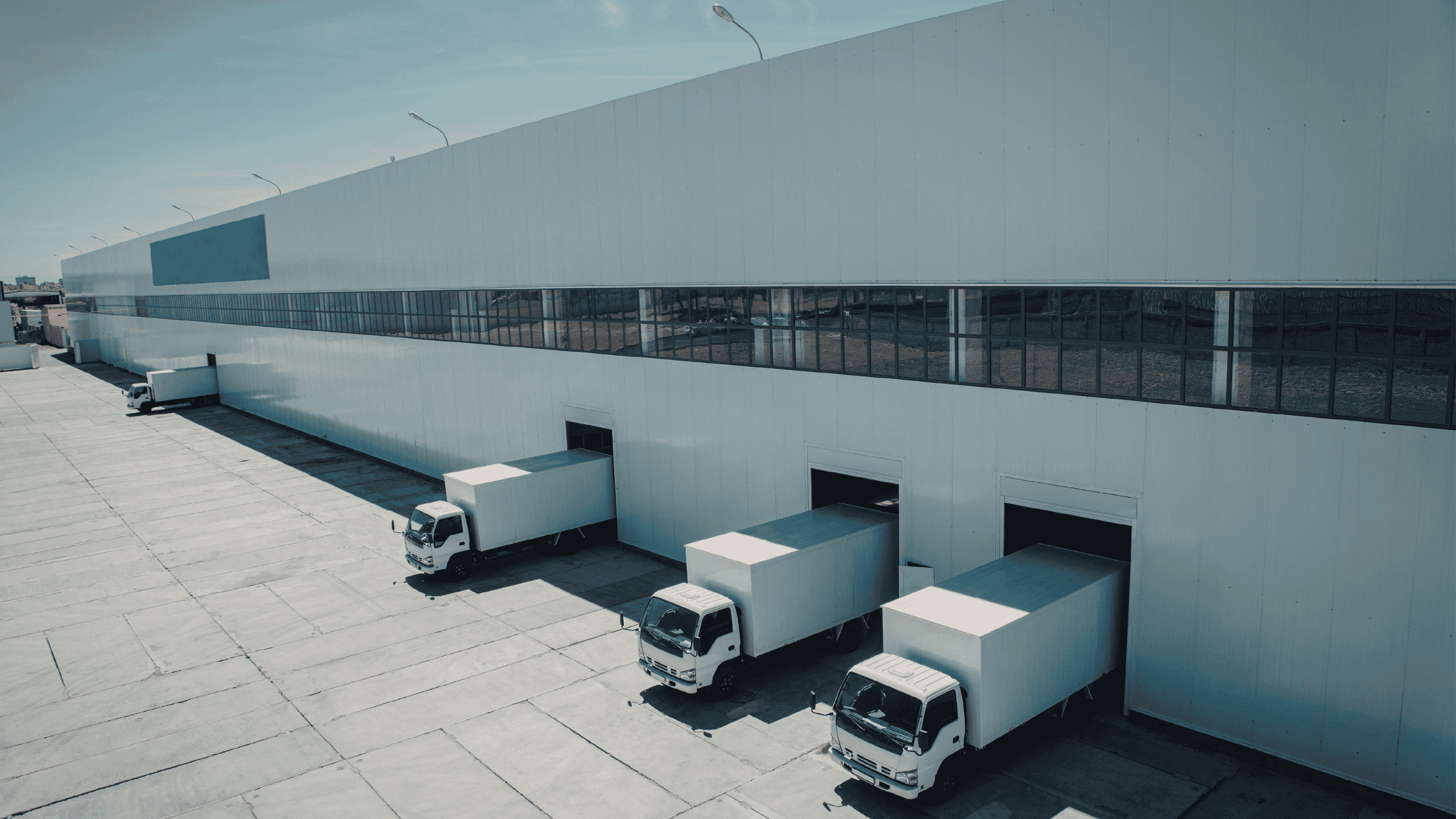
Warehouse tenants prioritise easy access to major roads, proximity to commercial centres, and enough space for loading and unloading vehicles. Areas close to highways, ports, or industrial clusters typically attract stronger demand.
Another key consideration is infrastructure. Reliable electricity, road access for heavy vehicles, and security are essential for warehouse operations. Investors who understand these operational needs are better positioned to develop properties that appeal to serious corporate tenants.
At Pryme Point Real Estate, one of the things we emphasise when advising investors is thorough market assessment before acquiring industrial land. Property sourcing, legal due diligence, and documentation verification are especially critical in this segment, because industrial developments often involve larger capital commitments.
Balancing Risk and Opportunity
Industrial real estate is not without its challenges. Development costs can be higher than residential projects, and identifying the right tenants may require stronger professional networks. However, the long-term advantages can be significant.
Warehouse properties often command higher rental yields, and corporate tenants are typically more stable than individual residential tenants. In addition, Nigeria’s expanding logistics sector suggests that demand for industrial spaces will likely continue growing for years.
This is why many experienced investors now view industrial property as a strategic addition to a diversified real estate portfolio. While residential housing will always remain important, warehouse developments provide exposure to the commercial backbone of the economy.
The Quiet Opportunity in Nigerian Real Estate
The Nigerian real estate market continues to evolve alongside the country’s economic growth. Investors who focus only on traditional residential opportunities may miss out on emerging sectors with strong potential.
Industrial and warehouse property may not always receive the same attention as luxury homes or high-rise apartments, but its value lies in practicality and demand. Businesses need storage, distribution, and operational space to function, and those needs are unlikely to disappear anytime soon.
For investors willing to look beyond the obvious, this quiet growth sector could become one of the most rewarding areas of Nigerian real estate in the years ahead. With proper guidance, professional due diligence, and strategic location selection, industrial property can transform from an overlooked niche into a powerful long-term investment.