

Buying Land Near Proposed Infrastructure Projects in Nigeria: Smart or Risky?
March 6, 2026
admin

For many Nigerians, the idea of buying land near proposed infrastructure projects—new roads, bridges, metro lines, or industrial hubs—is tempting. The promise is obvious: secure property today at current prices and benefit from dramatic appreciation when the project is completed. But as enticing as this sounds, the reality is more nuanced. Over fifteen years in the Nigerian real estate sector, guiding investors, first-time buyers, and developers, I’ve learned that proximity to infrastructure can be both an opportunity and a risk, depending on timing, due diligence, and legal clarity.
The excitement around “hot zones” often leads to impulsive decisions. A headline about a new highway extension or government housing project can create a rush, pushing buyers to commit without verifying critical factors. In reality, the success of such investments depends on understanding local dynamics, regulatory frameworks, and project reliability.
Assessing the Potential Upside
The upside is clear: infrastructure development often drives property demand and boosts land prices. Areas previously considered remote can quickly transform into thriving residential or commercial hubs once access improves. Early investors frequently enjoy significant appreciation, especially in cities like Lagos, Abuja, and Port Harcourt, where urban sprawl and population growth intensify demand.
I recall working with a group of investors interested in land near a proposed Lekki corridor expansion. At the time, the land was undervalued because construction hadn’t started. By the time the road and related amenities were underway, demand had surged, and the investors who had committed early saw their property values multiply within eighteen months. For many, this is the essence of strategic foresight in Nigerian real estate.
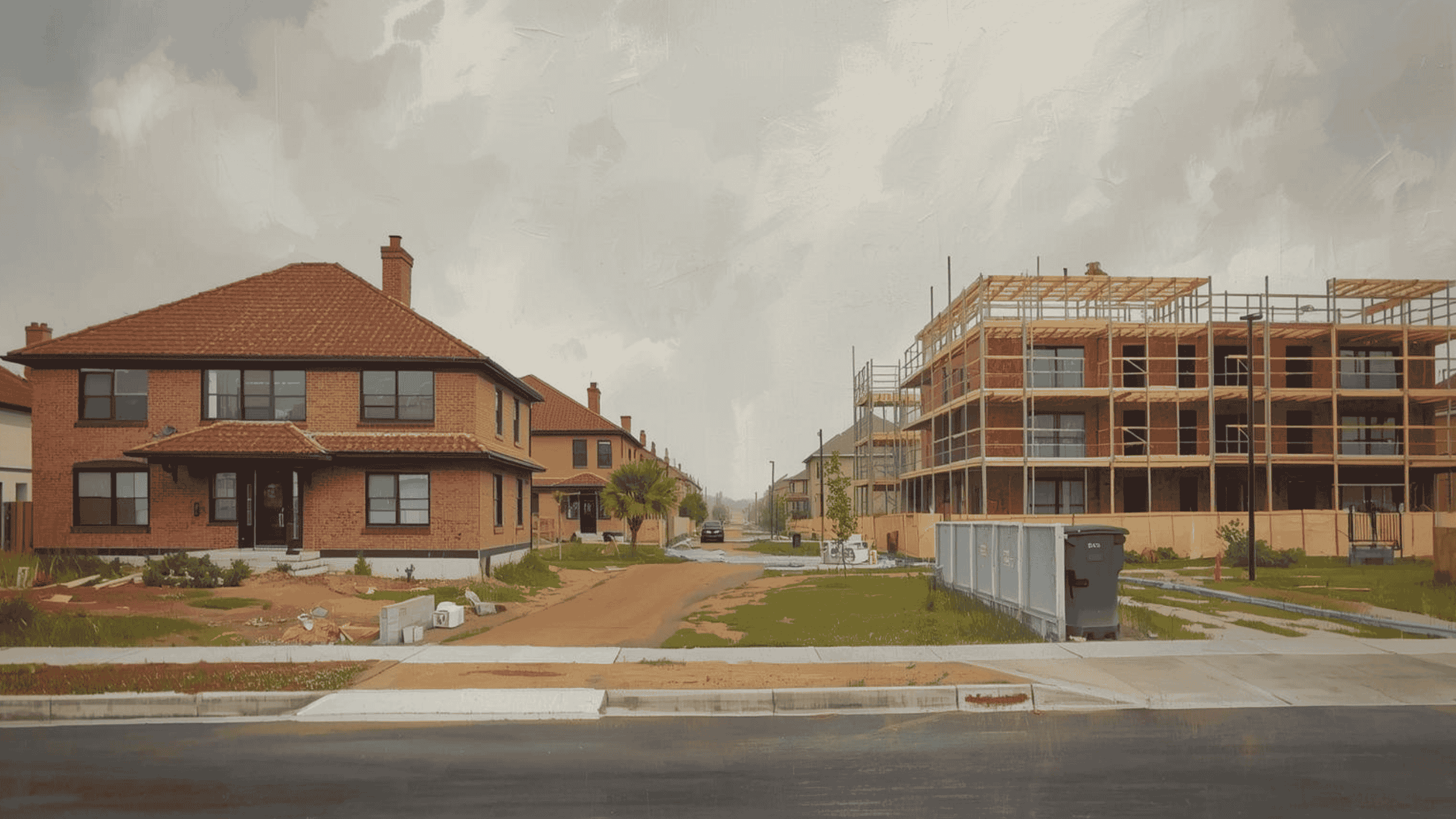

Identifying the Risks
However, not all infrastructure projects deliver on their promises. Delays, changes in government plans, or funding shortfalls can stall projects for years. Properties purchased in anticipation of rapid development can remain stagnant, tying up capital and frustrating investors.
Another common risk involves land ownership and documentation. In the rush to buy near “upcoming hotspots,” many buyers neglect thorough title verification, risking disputes with previous owners or government acquisition claims. Without clear, dispute-free documentation, even prime land can become a legal quagmire.
Timing also matters. Buying too early—before government approvals are finalized—can be risky, while buying too late may mean paying inflated prices. The sweet spot requires market insight, local knowledge, and professional guidance.
Mitigating Risk Through Expertise
This is where real estate services and professional support become invaluable. At Pryme Point Real Estate, our approach combines property sourcing with legal due diligence and documentation verification. We help clients evaluate the credibility of proposed infrastructure projects, confirm land titles, and identify areas with genuine long-term potential.
One client was initially hesitant to purchase land near a proposed industrial park in Ogun State. After reviewing project timelines, government approvals, and land documentation, we guided them through a secure acquisition. Within months, preliminary construction work validated the investment, and the property’s value began rising steadily. Proper research and expert oversight were the difference between a risky gamble and a calculated investment.
Strategic Takeaways for Nigerian Investors
Buying land near proposed infrastructure projects can be highly rewarding when approached strategically. Key principles include verifying legal documentation, assessing project feasibility, understanding local market dynamics, and working with experienced professionals. Investors who combine patience, insight, and due diligence maximize upside while minimizing exposure to delays or disputes.
In Nigeria, property investment is as much about foresight as it is about capital. By focusing on verified opportunities and leveraging professional guidance, investors can transform land purchases into profitable ventures, building wealth that endures across generations. Infrastructure may create the spark, but careful planning ensures the flame grows steadily.