
Nigerian Property Market Outlook for 2026
January 2, 2026
admin

As 2026 approaches, conversations around Nigerian real estate are shifting from survival to strategy. The past few years have tested buyers, renters, and investors with inflation, rising construction costs, policy adjustments, and changing demand patterns. Yet, one thing remains consistent: property continues to be one of the most reliable stores of value in Nigeria when approached with clarity and discipline. From years of working directly with buyers and investors across different market cycles, I can say that 2026 will reward informed decision-making more than blind optimism.
The market is not slowing down, but it is becoming more selective.
Demand Is Rising, But Buyers Are Smarter
Urbanisation remains a powerful force. Lagos, Abuja, Port Harcourt, and their surrounding corridors continue to attract people seeking jobs, education, and better infrastructure. This population pressure keeps demand for housing strong, particularly for mid-income residential properties and well-planned estates on city outskirts. However, buyers are no longer chasing just any property. They are asking tougher questions about titles, access roads, infrastructure timelines, and resale potential.
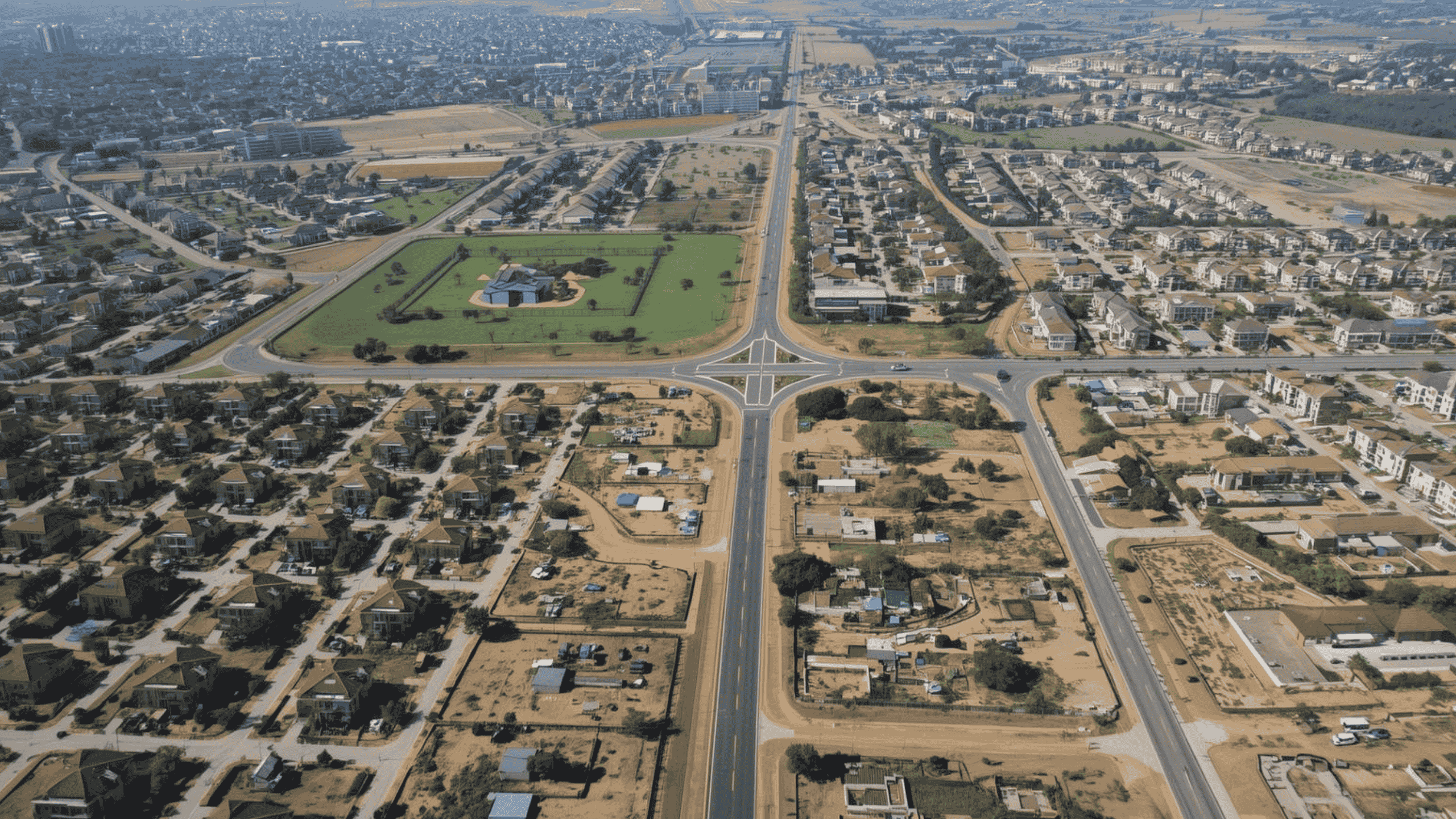
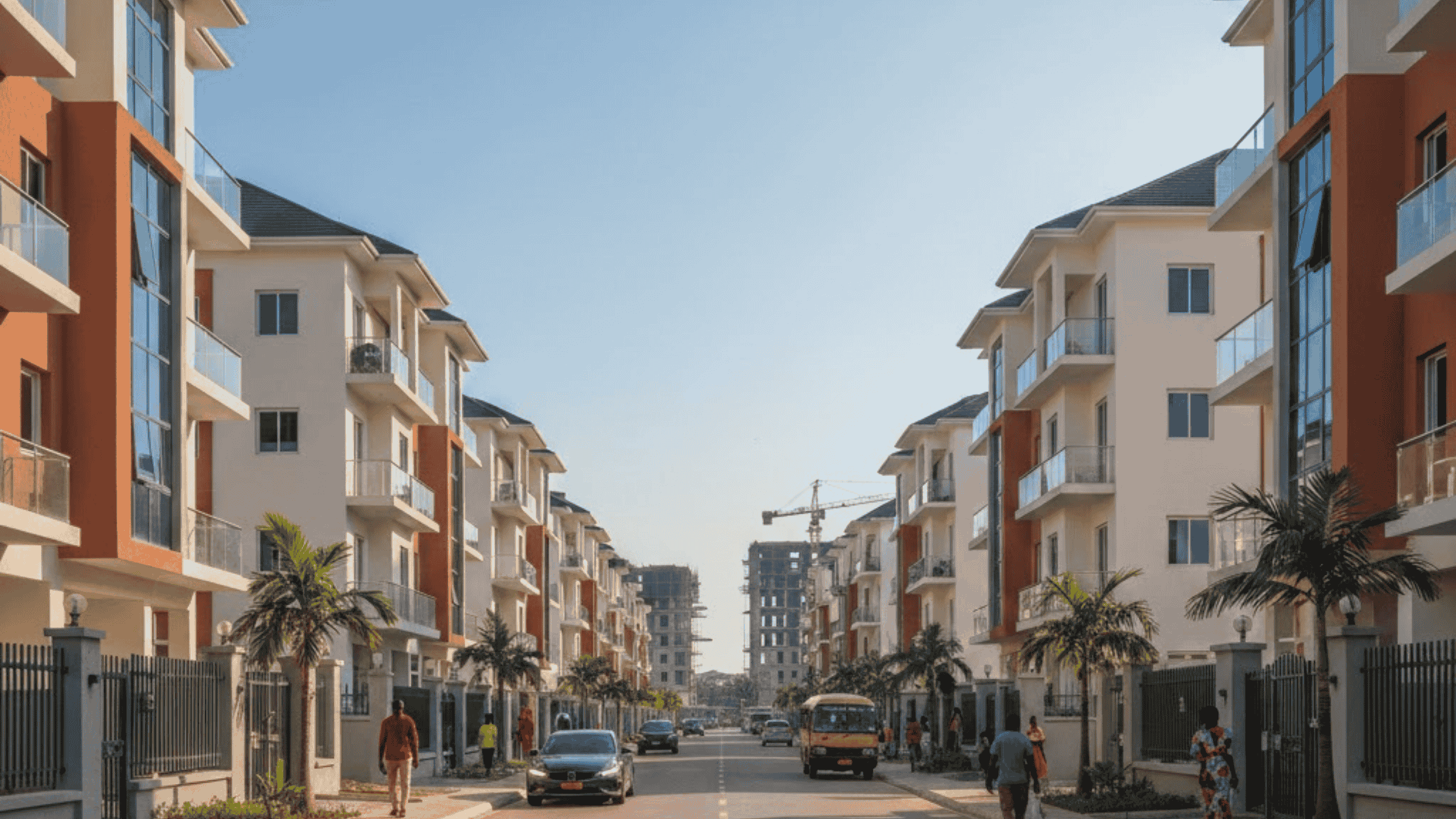
I have noticed a clear shift in 2025 that will carry into 2026: buyers want proof, not promises. Estates with verified documentation, visible development progress, and realistic pricing are moving faster than speculative offerings. This is where professional sourcing and due diligence make a real difference. At Pryme Point Real Estate, transactions that include proper verification and advisory support tend to close faster and with far less post-purchase anxiety.
Land and Housing Prices Will Continue Upward
Price growth in 2026 is unlikely to be dramatic across the board, but steady appreciation is almost inevitable in high-demand zones. Inflation, rising material costs, and limited serviced land mean developers cannot sustainably lower prices. In Lagos and its adjoining areas in Ogun State, land remains the entry point for many investors, especially those planning to build later or bank land for appreciation.
That said, not all appreciation will be equal. Properties in areas with real infrastructure movement—roads, power projects, commercial hubs—will outperform those relying solely on future promises. I have seen investors wait years in locations where “development is coming,” only to realise that growth followed a different corridor entirely. In 2026, location intelligence will matter more than ever.
Rentals, Affordability, and Yield Pressure
Rental demand will remain strong, driven by affordability challenges in home ownership. However, yields will come under pressure in some high-priced neighbourhoods. As purchase prices rise faster than rents, investors will need to be more deliberate about where they deploy capital.
Smart investors are already adjusting by focusing on areas where rental demand is deep and consistent rather than aspirational. Compact apartments, serviced units, and properties close to employment hubs will continue to perform better than luxury stock aimed at a narrow market. The lesson for 2026 is simple: rental income must be analysed realistically, not assumed.
Policy, Documentation, and Professionalisation
Government scrutiny around land use, titles, and documentation is increasing. This trend will intensify in 2026. Buyers relying on informal assurances or incomplete paperwork will find themselves exposed. The market is slowly professionalising, and this favours investors who prioritise legal clarity and transparency.
Experienced buyers now see documentation not as an inconvenience, but as a value driver. Properties with perfected titles attract better buyers, command stronger pricing, and sell faster. This shift benefits firms offering end-to-end services, from sourcing and verification to documentation and investment consulting, because clarity builds confidence in uncertain times.
What Smart Investors Should Do Now
The Nigerian property market in 2026 will not reward rushed decisions or emotional buying. It will reward preparation. Investors should review existing portfolios, reassess ROI assumptions, and identify assets that no longer align with their goals. New buyers should focus on learning the market before committing funds, even if that means waiting for the right opportunity.
From what I have seen, the most successful players entering 2026 are those who treat real estate as a long-term system, not a series of lucky breaks. They ask better questions, engage professionals, and align purchases with clear financial objectives.
The Big Picture for 2026
Nigeria’s property market is evolving, not collapsing. Demand remains strong, supply is constrained, and land continues to be finite. But the days of buying blindly and hoping for the best are fading. 2026 belongs to disciplined buyers, patient investors, and those willing to do the work behind the scenes.
For anyone willing to approach the market with strategy rather than speculation, Nigerian real estate will continue to offer stability, growth, and long-term wealth-building opportunities.