
Renting vs Buying in Nigeria: Which Makes Sense as 2025 Ends?
December 5, 2025
admin
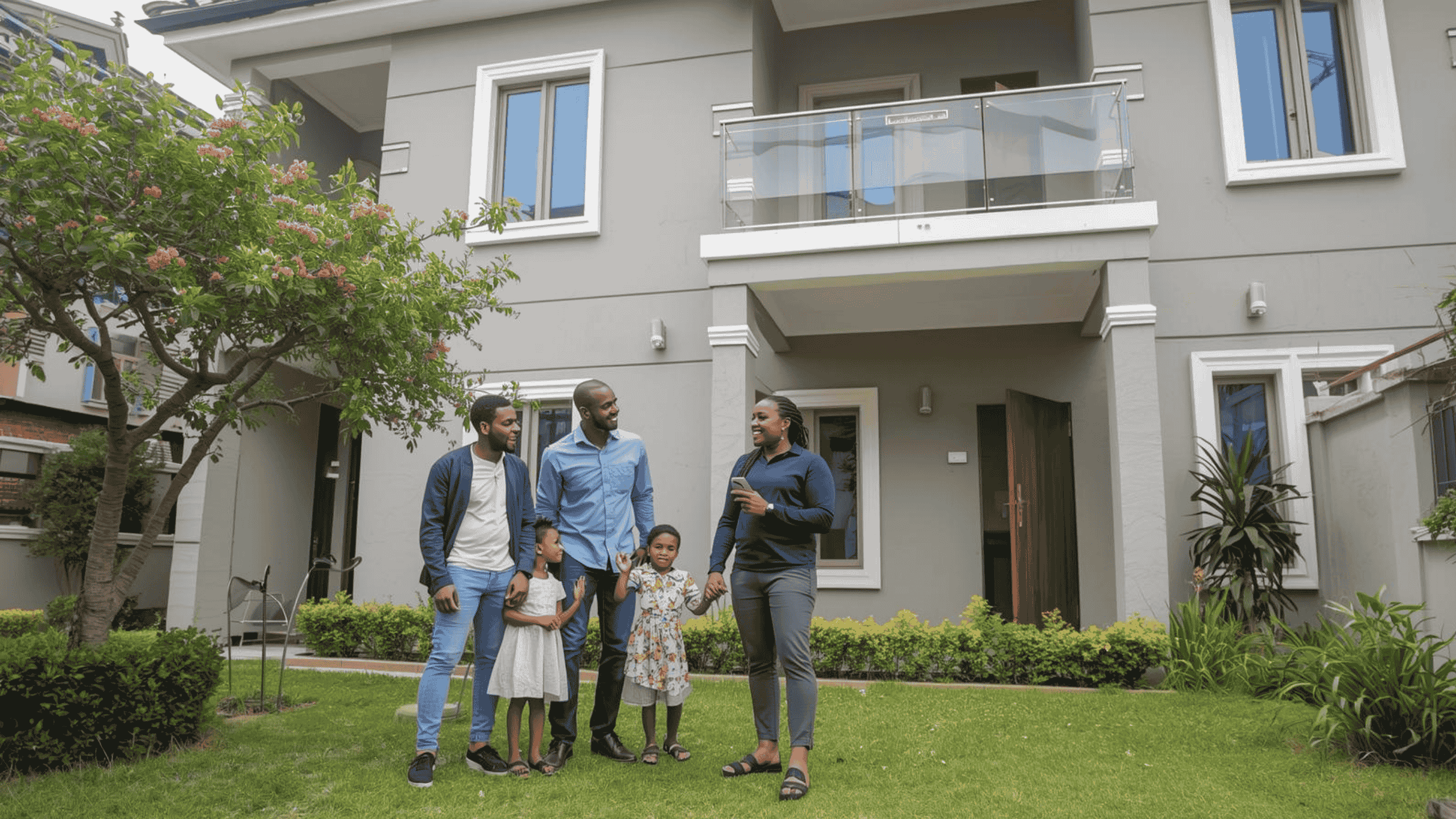
As 2025 draws to a close, Nigerians are confronting a question that has always sparked debate but carries new urgency this year: should I continue renting, or is it finally time to buy a home? With inflationary pressures, rising property prices, and shifting rental rates, the decision is far from straightforward. From over a decade of working in the Nigerian real estate sector, both in property flipping and full-service consultancy, I can confidently say that the best choice depends on individual circumstances, market knowledge, and long-term financial strategy.
Understanding the Costs: Renting Under Pressure
Renting has always offered flexibility, especially for professionals who relocate frequently or are still building their savings. However, in 2025, the Nigerian rental market is showing a sharp upward trend. In Lagos and Abuja, for instance, rental rates for standard three-bedroom apartments have increased by an average of 15–20 percent compared to the start of the year. This rise often outpaces wage growth, squeezing household budgets.
I remember a young couple in Lekki who had been renting a two-bedroom apartment for four years. Each renewal brought a noticeable increase, and by mid-2025, their annual rent almost equaled the down payment they could have made for a modest property nearby. For renters like them, staying in a rental longer can mean lost opportunity, money spent on rent could have been building equity instead.


Yet, renting is not without its merits. For those uncertain about job stability or planning to relocate soon, renting preserves liquidity and avoids the long-term commitment of mortgage repayment. The key is to evaluate not just monthly costs, but the bigger picture of wealth accumulation and market trends.
Buying: Investment and Stability
Buying a home, particularly in prime or emerging locations, continues to be a reliable avenue for building wealth in Nigeria. Property values in cities like Lagos, Abuja, and Port Harcourt are appreciating steadily due to limited land supply, infrastructure improvements, and growing demand. Buyers who act decisively can benefit from capital appreciation and long-term security.
Consider a client of Pryme Point Real Estate who invested in a three-bedroom townhouse in Ikeja earlier this year. The property, purchased at a reasonable market rate and verified through our full legal due diligence process, has already appreciated by roughly 10 percent in six months. Beyond financial gain, owning property provides stability—no sudden rent hikes, control over renovations, and a tangible asset for future generations.
However, buying requires careful planning. High mortgage rates, legal complexities, and documentation challenges can overwhelm first-time buyers. This is where engaging a professional team like Pryme Point proves invaluable. From property sourcing and verification to investment consulting and documentation, the process becomes smoother, safer, and ultimately more rewarding.
When Renting Still Makes Sense
Despite the advantages of ownership, renting can still be practical. Young professionals with high mobility, students, or individuals testing a new city may find renting more convenient. It allows flexibility, avoids the upfront burden of down payments, and frees capital for other investments. The trick is to rent strategically—seek areas with stable rental trends, reasonable landlord policies, and safe neighbourhoods that can serve as stepping stones toward future ownership.
Making the Right Choice
As 2025 ends, the decision to rent or buy should not be driven solely by market hype or peer pressure. Evaluate personal finances, long-term goals, and risk tolerance. If you are financially ready and committed to a location, buying can offer security and wealth-building potential. If flexibility and short-term mobility are priorities, renting remains a smart choice, especially when paired with disciplined savings to prepare for eventual ownership or investment.
Ultimately, the Nigerian real estate market rewards informed, proactive decisions. Those who understand current trends, leverage professional support, and plan strategically stand to gain significantly, whether they choose to rent, buy, or invest through cooperative models like the Property Flipping Cooperative, which offers pooled investments, risk mitigation, and expert project management.